
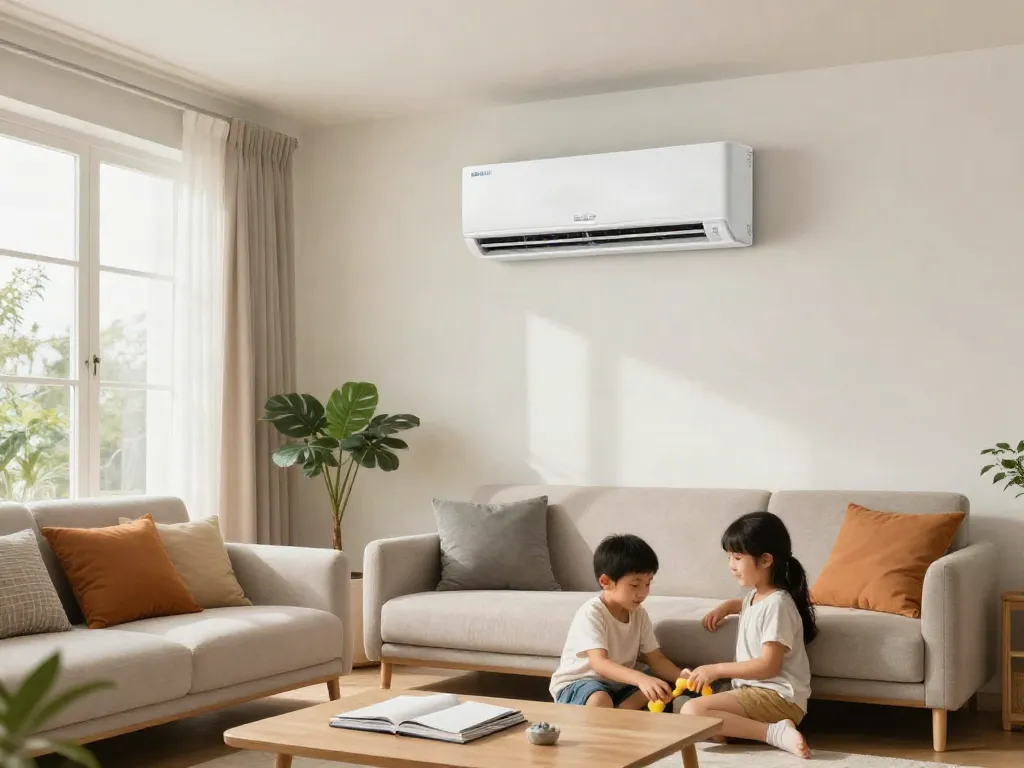
Understanding Mini Split Systems
Mini split systems have become increasingly popular for both residential and commercial heating and cooling needs. These compact, ductless units offer flexibility, efficiency, and comfort, making them a preferred choice for many homeowners and businesses. As an energy-efficient alternative to traditional HVAC systems, mini splits provide superior climate control, reducing both energy consumption and utility bills. When exploring options, mini split units offer comprehensive insights into modern air conditioning solutions.
What is a Mini Split Air Conditioner?
A mini split air conditioner is a modern HVAC solution that consists of two primary components: an indoor unit and an outdoor compressor. This ductless system operates quietly while providing efficient heating and cooling for individual rooms or spaces. The design allows for multiple indoor units to connect to a single outdoor unit, enabling tailored climate control without the need for extensive ductwork.
Benefits of Choosing Mini Splits
- Energy Efficiency: Mini splits typically boast high SEER (Seasonal Energy Efficiency Ratio) ratings, indicating superior energy efficiency compared to traditional HVAC systems.
- Flexible Installation: With no ductwork required, mini splits can be installed in various locations, allowing users to maximize their comfort wherever they need it.
- Individual Room Control: The ability to control temperatures in individual rooms leads to more customized comfort levels and reduced energy waste.
- Low Noise Levels: Mini split systems are designed to operate quietly, making them ideal for bedrooms, offices, and other quiet spaces.
Common Misconceptions About Mini Splits
Despite their popularity, there are several misconceptions surrounding mini split systems. Some believe they are too complicated to install, while others think they are not suitable for colder climates. In reality, many modern mini splits come with built-in features to handle varying temperatures and are designed for easy installation by professional HVAC technicians or even homeowners in certain situations.
Installation Insights for Mini Split Units
Key Considerations Before Installation
Before installing a mini split system, there are several crucial factors to evaluate. First, assess the size of the spaces you intend to heat and cool, as proper sizing is essential for optimal performance. Next, consider the layout of your home or office to determine the best locations for both indoor and outdoor units. Finally, check local building codes and regulations to ensure compliance.
Professional vs. DIY Installation
While some homeowners may consider a DIY approach to installing their mini split systems, it's often recommended to hire a professional HVAC technician. Professional installation ensures that the system is set up correctly, maximizing its efficiency and lifespan. Furthermore, improperly installed units may lead to issues like refrigerant leaks or inadequate heating and cooling.
Cost Breakdown of Mini Split Installation
The total cost of installing a mini split system varies depending on several factors, including the brand, size, and additional features. On average, homeowners can expect to pay between $3,000 and $5,000 for a complete installation. This estimate typically includes the cost of the unit itself, labor, and any necessary materials. It's important to shop around and get multiple quotes to ensure you're receiving a fair price.
Optimizing Your Mini Split Performance
Annual Maintenance Tips for Efficiency
To keep your mini split system running efficiently, regular maintenance is key. Here are some annual maintenance tips:
- Clean or replace filters monthly to ensure proper airflow.
- Check and clean the outdoor unit of any debris or dirt.
- Schedule annual professional maintenance to inspect the refrigerant levels and overall system performance.
Adjusting Settings for Seasonal Changes
Mini split systems are designed to adapt to seasonal temperature changes. Adjusting the settings according to the seasons can enhance efficiency. For instance, in summer, set the unit to cool and the temperature to a comfortable level. In winter, utilize the heating function, ensuring that the temperature is set appropriately to avoid excessive energy consumption.
Common Issues and Troubleshooting Tips
Although mini splits are generally reliable, they may encounter issues from time to time. Here are some common problems and troubleshooting tips:
- Unit Not Cooling: Check if the filters are clean, the unit is set to cooling mode, and the outdoor unit is clear of obstructions.
- Frequent Cycling: This could indicate an improperly sized unit or thermostat issues; consulting a professional technician is advisable.
Energy Efficiency and Mini Splits
Understanding SEER Ratings
The SEER rating is a crucial factor in determining the energy efficiency of a mini split system. The higher the SEER rating, the more efficient the unit is at converting electricity into cooling power. Most modern mini splits have SEER ratings ranging from 14 to 25. Choosing a higher SEER rating can lead to substantial energy savings in the long run.
How Mini Splits Help Reduce Energy Costs
Mini split systems help reduce energy costs by providing targeted cooling and heating without the energy losses associated with ductwork. They operate on inverter technology that allows the compressor to adjust its speed according to the cooling or heating demand, thereby consuming less energy.
Comparing Mini Splits to Traditional Units
When comparing mini splits to traditional HVAC units, the differences in installation, energy efficiency, and maintenance are significant. Traditional systems often require ductwork, leading to energy loss and higher installation costs. Mini splits, on the other hand, offer a more flexible and efficient alternative, making them suitable for renovations, additions, and homes without existing ductwork.
Future Trends in Mini Split Technology
Emerging Features of Mini Split Systems
As technology advances, mini split systems are incorporating innovative features to enhance performance. Some of these features include advanced filtration systems that improve indoor air quality and Wi-Fi compatibility for remote control and monitoring via smartphone apps.
Smart Technology Integration
The demand for smart home technology is influencing the evolution of mini split systems. Many new models now come equipped with smart thermostats that learn your schedule and adjust settings automatically, resulting in improved energy efficiency and comfort.
Eco-Friendly Developments in HVAC
The HVAC industry is increasingly focusing on sustainability, and mini splits are no exception. New refrigerants with lower global warming potential are being developed, alongside energy-efficient designs that comply with stricter environmental regulations.
What is the typical cost of installing a mini split system?
The cost of installing a mini split system can vary widely, typically ranging between $3,000 and $5,000, depending on the model, installation complexity, and any additional components required. It’s advisable to obtain multiple quotes and consider potential rebates for energy-efficient systems.
Do mini splits run up the electric bill?
While mini splits do consume electricity, their energy-efficient design means they often lead to lower overall energy bills, especially compared to traditional systems. With their ability to heat and cool efficiently, many users find that their energy costs decrease significantly.
What are the disadvantages of a mini split?
Despite their advantages, mini splits do have some disadvantages, including the higher upfront costs and the need for professional installation. Some users may also find the indoor units less aesthetically pleasing compared to traditional HVAC systems that are more concealed.