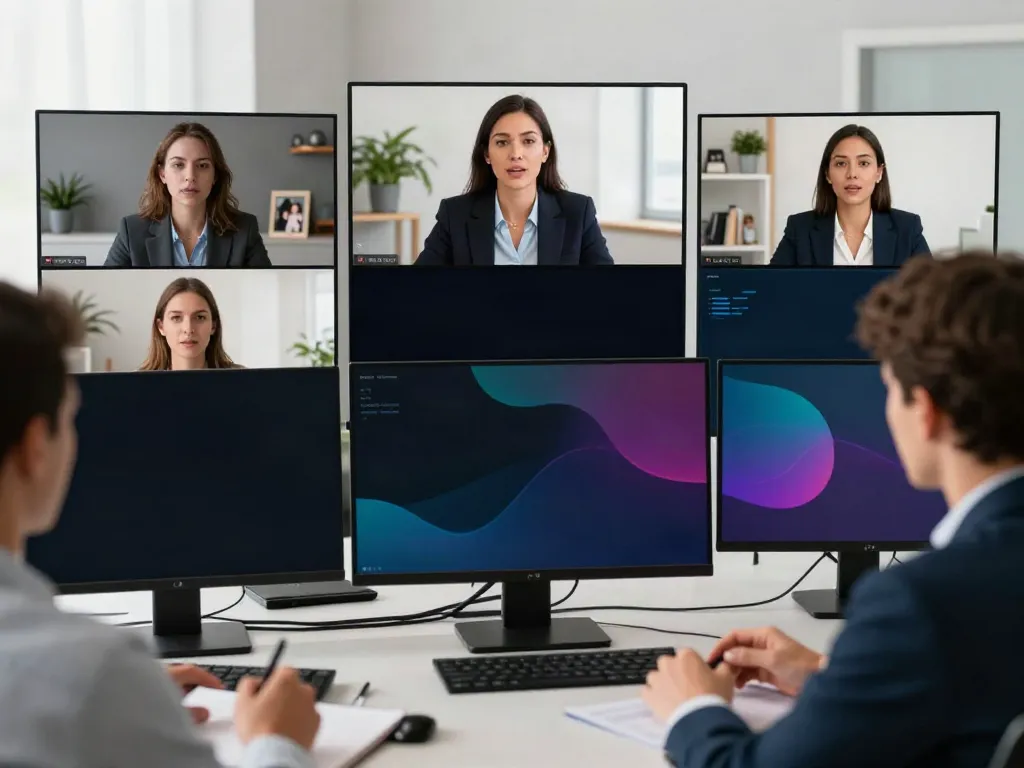
Understanding Deepfake Technologies and Their Impact
In the rapidly advancing digital landscape, the rise of deepfake technologies has sparked significant conversations around authenticity and trust in virtual communications. Deepfakes, which employ artificial intelligence to create hyper-realistic alterations of videos, audio, and images, have implications that extend beyond entertainment and into professional realms. With remote meetings becoming the norm, ensuring that these interactions remain genuine and deepfake-free is paramount. This article will delve into the intricate details of deepfake technologies, explore their risks in meetings, and provide actionable strategies to safeguard against their misuse. When exploring options, Deepfake free meetings provide comprehensive insights into securing virtual interactions and fostering a culture of trust.
What are Deepfakes and How Do They Work?
Deepfakes utilize advanced machine learning algorithms, particularly deep learning techniques, to manipulate visual and auditory content. By training models on vast datasets of video and audio, these technologies can mimic a person's likeness and voice with alarming accuracy. The primary methods involved include face swapping, audio synthesis, and motion transfer, all of which can be executed in real time. This capability raises critical questions about authenticity, especially in settings where trust is essential, such as business meetings and interviews.
The Risks of Deepfake Technology in Meetings
The implementation of deepfake technologies poses severe risks in virtual meetings. With the potential for creating misleading narratives, deepfakes can facilitate identity theft, fraud, and emotional manipulation. For instance, a deepfake might be used to impersonate a CEO during a meeting, leading employees to act on false directives. Moreover, the presence of deepfakes can undermine the integrity of business communications, eroding trust among team members and stakeholders.
Real-World Examples of Deepfake Misuse in Professional Settings
Instances of deepfake misuse are becoming increasingly prevalent. Notable cases include a deepfake video of a prominent political figure that spread misinformation during an election campaign, causing public outrage and confusion. In corporate environments, there have been reports of scammers using deepfake audio to mimic executives, tricking employees into transferring funds under false pretenses. Such examples highlight the necessity for businesses to adopt stringent measures against deepfake threats.
Safeguarding Meetings Against Deepfake Threats
To ensure the integrity of meetings and communications, organizations must recognize the threat of deepfakes and implement robust safeguards. The following sections outline best practices, technological solutions, and training initiatives aimed at creating deepfake-free environments.
Best Practices for Ensuring Deepfake Free Meetings
- Verify Identity: Always confirm the identity of participants, especially if sensitive information is being discussed. Utilize multi-factor authentication when possible.
- Use Secure Platforms: Opt for video conferencing tools that offer built-in security features, including end-to-end encryption and identity verification.
- Regular Audits: Conduct frequent security audits to evaluate the effectiveness of your meeting protocols and technology against deepfakes.
Technological Solutions for Authenticity Monitoring
Numerous technological solutions are emerging to combat deepfake threats effectively. Tools like real-time voice and video detection systems can analyze calls for signs of manipulation. For instance, applications that assess audio and visual data during meetings can alert participants if a deepfake is detected, enabling them to take precautionary measures.
How to Train Teams on Deepfake Awareness
Training employees about the risks associated with deepfakes is essential for fostering a vigilant work culture. Workshops and seminars can be organized to educate teams on recognizing the signs of a deepfake and understanding the potential consequences of using such technologies. Encouraging an open dialogue about the importance of authenticity can empower employees to speak out if they suspect manipulation in communications.
The Role of AI in Deepfake Detection
As deepfake technologies become more sophisticated, the need for advanced detection methods intensifies. AI-driven solutions are at the forefront of this battle, utilizing machine learning to identify and flag potentially manipulated content during meetings and communications.
Overview of Deepfake Detection Tools
Several tools and software applications are available that can help organizations detect deepfakes in real time. These tools analyze inconsistencies in video and audio data to determine if they have been altered. For example, algorithms can examine facial movements, voice fluctuations, and other subtle cues that might indicate manipulation.
Evaluating the Effectiveness of Detection Technologies
When considering deepfake detection technologies, organizations must evaluate their effectiveness based on several criteria, including accuracy, speed, and user-friendliness. Solutions that can provide real-time alerts during meetings are particularly valuable, as they allow immediate responses to potential threats.
Emerging AI Solutions and Trends for 2026
In 2026, it is expected that deepfake detection technologies will become more sophisticated, incorporating advanced AI methodologies such as neural networks and natural language processing. These advancements will enhance the ability to differentiate between genuine and manipulated content significantly, providing organizations with better protection against deepfake threats.
Building Trust in Virtual Communication
As deepfake technologies present challenges to trust and authenticity, organizations must adopt strategies that promote integrity in virtual communications. This includes enhancing participant engagement, creating a culture of authentic communication, and measuring the impact of trust on meeting outcomes.
Strategies for Enhancing Participant Engagement
- Interactive Features: Incorporate interactive elements like polls and Q&A sessions during meetings to foster engagement and authenticity among participants.
- Feedback Mechanisms: Establish channels for participants to provide feedback on meetings, allowing organizations to gauge trust and identify areas for improvement.
Creating a Culture of Authentic Communication
To cultivate a culture of authentic communication, organizations should encourage transparency and openness among team members. This can be achieved by promoting initiatives that reward honesty and integrity, as well as providing platforms for employees to express concerns about authenticity in communications.
Measuring the Impact of Trust on Meeting Outcomes
Understanding the correlation between trust and meeting outcomes is crucial. Organizations can implement surveys and feedback forms to assess the level of trust participants feel in their communications. Analyzing this data can help identify gaps and areas where improvements can be made to foster more authentic interactions.
Future Trends in Virtual Meetings and Security
The landscape of virtual meetings continues to evolve, driven by technological advancements and changing workplace dynamics. As the prevalence of deepfakes grows, organizations must stay informed about future trends and prepare accordingly.
Predicted Developments in Deepfake Technologies
As artificial intelligence technology progresses, deepfake capabilities will likely become even more advanced, making detection more challenging. Organizations must remain vigilant and adapt their strategies to counter these developments effectively. Collaborations with tech firms specializing in AI and authentication will be crucial to staying ahead.
The Evolution of Remote Communication Standards
The way remote communication is structured will likely evolve, leading to new standards that prioritize authenticity and security. These standards may include mandates for secure connections and technology verification before meetings commence.
Preparing for an AI-Driven Future in Meetings
To thrive in an AI-driven future, organizations should invest in continuous learning and adaptation. Keeping abreast of the latest developments in AI and deepfake technologies will be essential for mitigating risks and harnessing the benefits of virtual meetings.
What are deepfake free meetings?
Deepfake free meetings ensure that all participants are who they claim to be, eliminating the risk of manipulated identities influencing decisions and trust within the meeting environment.
How can I ensure deepfake free communication?
Utilizing secure communication platforms, educating teams about the risks, and implementing detection technologies are key strategies for ensuring deepfake free communication.
What technologies are available for detecting deepfakes?
Various tools are designed to detect deepfakes, including AI-powered software that identifies inconsistencies in video and audio content and real-time monitoring systems for virtual meetings.
How do deepfakes affect professional integrity?
Deepfakes can severely undermine professional integrity by creating an environment where trust is compromised, leading to potential misinformation and unethical behavior.
What are some best practices for authentic meetings?
Best practices for authentic meetings include verifying participant identities, using secure platforms, conducting regular audits, and fostering a culture of transparency within organizations.