Understanding Super33: The Essential Electrical Tape
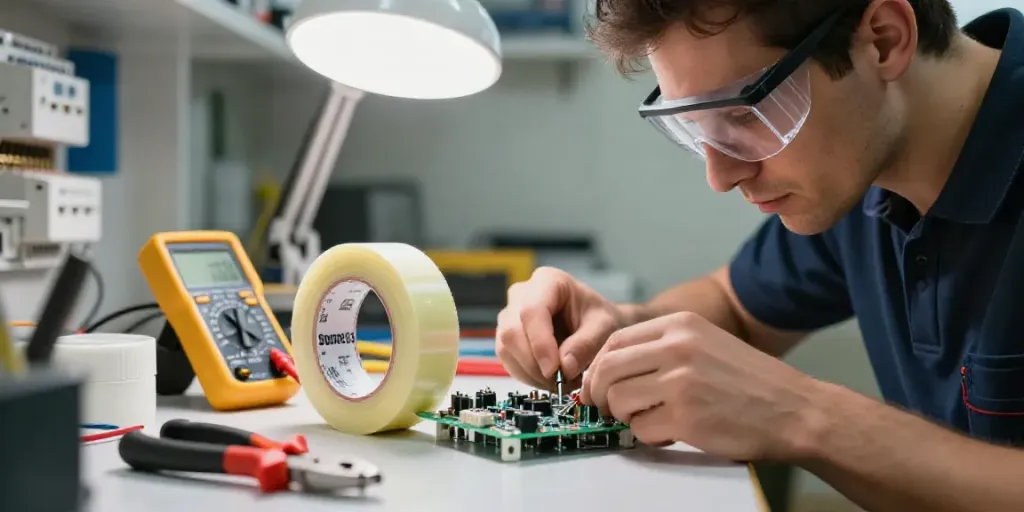
Super33 Vinyl Electrical Tape, manufactured by 3M, is renowned among professionals and DIY enthusiasts alike for its unparalleled quality and versatility. In an industry often cluttered with subpar options, Super33 stands out as a trusted choice for electrical insulation needs. Whether you're working in residential, commercial, or industrial settings, understanding the unique features of Super33 can ensure that your electrical projects are completed safely and effectively. When exploring options, Super33 provides comprehensive insights into what makes this tape a staple in every electrician's toolbox.
What Makes Super33 Unique?
Super33 is not just an ordinary electrical tape; it is designed with a robust set of features that cater to a wide array of applications. One standout quality is its ability to perform exceptionally well in various temperature conditions, ranging from -18°C to 105°C (0°F to 221°F). This versatility ensures that whether used in freezing conditions or in environments with high heat, the tape maintains its adhesive properties and insulation capabilities.
Another unique aspect of Super33 is its conformability, allowing it to wrap tightly around irregular shapes and surfaces. This feature is particularly crucial when dealing with wires and cables that require precise insulation against moisture and abrasion. Moreover, the tape's professional-grade rubber-resin adhesive provides strong adhesion, making it ideal for both indoor and outdoor use.
Key Features & Benefits of Super33
- Professional-Grade Quality: Super33 is crafted to meet the highest standards of quality, ensuring reliable insulation for electrical applications.
- Voltage Rating: This tape is rated for use on wires and cables up to 600 volts, making it suitable for a wide range of electrical projects.
- Moisture and UV Resistance: Its resistance to moisture and UV rays is essential for outdoor applications, extending the lifespan of electrical installations.
- Easy Application: The tape's flexibility and ease of use make it ideal for both experienced electricians and novice DIYers.
- Durable and Long-Lasting: Super33 is designed to withstand wear and tear, ensuring long-term performance without compromising on safety.
Common Applications in Electrical Work
Super33's versatility means it can be employed in a variety of settings. Common applications include:
- Insulating Electrical Wires: It provides robust insulation that protects wires from short circuits and electrical hazards.
- Bundling Wires: Super33 can be used to neatly bundle cables together, reducing clutter and improving organization.
- Marking Cables: With different colors available, it can also serve as a means of color-coding wires for identification.
- Sealing Connections: Super33 can seal connection points against moisture and debris, which is particularly important in outdoor installations.
Super33 vs. Competitors: A Comparative Analysis
While Super33 is a leading choice in the market, understanding how it stacks up against its competitors can provide valuable insights for consumers. In this section, we will look at other popular electrical tapes and what distinguishes them from Super33.
Super33 vs. Super 88: Which is Better?
When comparing Super33 to 3M's Super 88, one of the main differences lies in thickness and adhesion strength. Super 88 is thicker than Super33, making it more suitable for extreme applications, but Super33 offers better flexibility and conformability. Depending on the specific needs of a project, one may perform better than the other.
Durability and Performance in Real-world Conditions
Super33 has been tested in various environments, showing impressive durability against factors such as abrasion, high temperatures, and moisture. Its performance remains consistent in real-world applications, from industrial electrical work to household repairs. While competitors may offer similar features, the real-world tests often reveal Super33's superiority in maintaining its adhesive properties over time.
Cost-Effectiveness Over Time
Being a premium product, Super33 may have a higher initial cost compared to some competitors. However, its durability and reliability often lead to lower costs in the long run. Users can expect fewer replacements and repairs, ultimately saving time and money. Thus, investing in Super33 can be more economical for projects demanding quality and longevity.
Best Practices for Using Super33 Effectively
To maximize the effectiveness of Super33, adhering to best practices during application is crucial. Here are some tips to consider:
Preparation: The Right Surface and Technique
Before application, ensure that the surface is clean, dry, and free of any grease or debris. This promotes better adhesion and ensures the tape lasts longer. Additionally, consider the temperature of the environment; applying the tape in ideal conditions can enhance its performance.
Application: Tips for a Secure Fit
When applying Super33, it’s essential to stretch the tape slightly as you wrap it around the wire or surface. This will ensure a tighter fit, which improves insulation and reduces the chance of the tape unraveling over time. Overlapping each layer by about half ensures complete coverage.
Post-Application: Ensuring Longevity
After application, refrain from using the taped area for at least 24 hours. This allows the adhesive to cure properly. Regular checks of the insulation will help catch any signs of wear or damage before they become significant issues.
Common Challenges with Electrical Tape
While using electrical tape like Super33 is generally straightforward, some challenges can arise. Understanding these issues can help users prepare better solutions.
Overcoming Adhesion Issues
One common challenge is that certain surfaces may prevent proper adhesion. If you find the tape isn't sticking, assess whether the surface is clean and dry. In some cases, using a primer or adhesive promoter may be beneficial, particularly for very smooth or oily surfaces.
Dealing with Temperature and Moisture
Electrical tape can become less effective if exposed to extreme temperatures or moisture over time. Be mindful of the environment where the tape will be applied, and consider using additional protective measures in extreme conditions, such as heat-shrink tubing for added insulation.
Identifying Misconceptions About Electrical Tape
Common misconceptions include the idea that all electrical tape is created equal. In reality, variations in quality can significantly affect performance and safety. Opt for trusted brands like Super33 to ensure compliance with safety regulations and performance standards.
Future of Electrical Tape: Trends for 2026 and Beyond
As technology advances, so too does the world of electrical tape. In this final section, we will explore potential trends and innovations on the horizon.
Innovations in Electrical Tape Technology
The future may see the introduction of electrical tapes with enhanced properties, such as integrated sensors that can detect overheating or potential faults in electrical systems. Such innovations could revolutionize how we monitor the health of electrical installations.
Environmental Sustainability Considerations
With increasing awareness of environmental issues, the electrical tape industry may shift towards more sustainable materials and production methods. Manufacturers may explore eco-friendly adhesives and recyclable materials without compromising performance.
The Rise of Smart Electrical Solutions
As smart home technology gains traction, the integration of smart features into electrical tapes could become a reality. For instance, tapes with built-in connectivity could provide real-time diagnostics and performance monitoring, paving the way for safer and more efficient electrical systems.