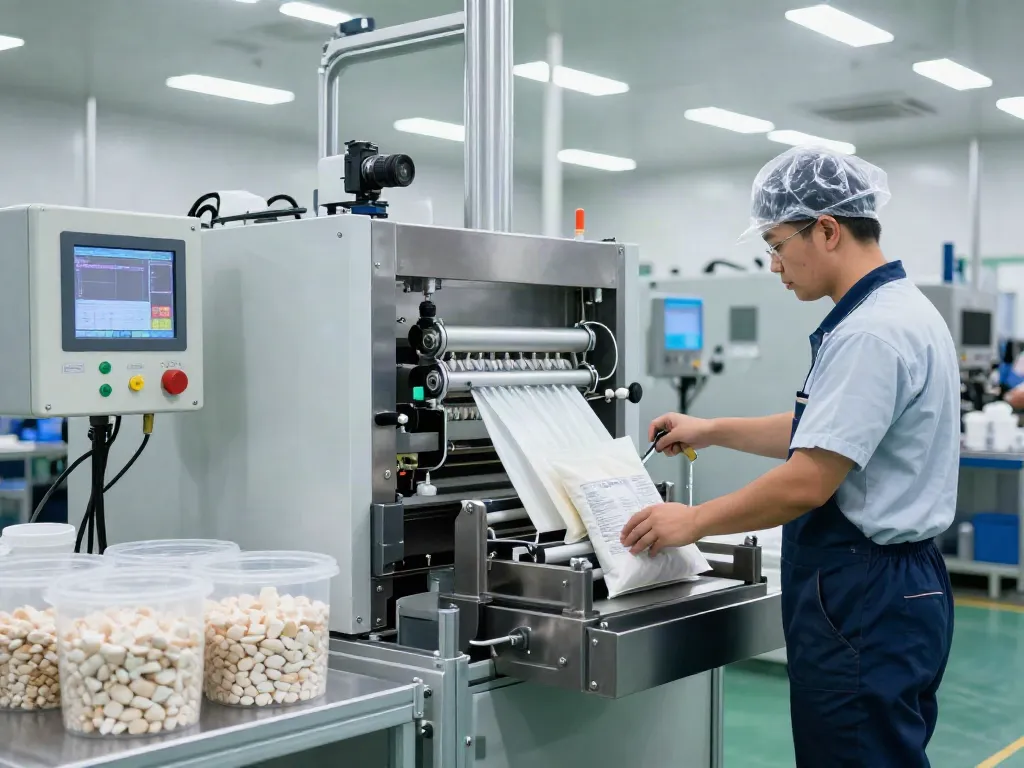
Understanding Packaging Machinery Suppliers
In the realm of modern manufacturing, the role of packaging machinery suppliers cannot be overstated. These suppliers provide essential machinery that ensures products are efficiently packed, transported, and delivered to consumers. With technological advancements and evolving market demands, understanding the significance of these suppliers helps manufacturers stay competitive and meet consumer needs effectively.
Definitions and Importance in Manufacturing
Packaging machinery encompasses a variety of equipment used in the packaging process—from filling, sealing, labeling, and wrapping, to the automation of such tasks to enhance efficiency and accuracy. This machinery is integral to various industries, including food and beverage, pharmaceuticals, and consumer goods. As competition intensifies, investing in reliable packaging solutions is essential for manufacturers aiming to boost productivity while maintaining quality.
Key Features of Leading Packaging Machinery
- Automation: Many modern machines offer automated processes, reducing the reliance on manual labor and decreasing errors.
- Versatility: The ability to handle different types of products and packaging materials is crucial, allowing manufacturers to adapt to market changes.
- Efficiency: Advanced machinery can significantly speed up production lines, enhancing throughput without compromising quality.
- Customizability: Leading suppliers often offer customized solutions tailored to specific production needs, accommodating unique packaging requirements.
Benefits of Partnering with a Reliable Supplier
Choosing a trusted packaging machinery supplier brings numerous advantages. Reliable partners can provide ongoing support, training, and maintenance services, ensuring that machinery operates optimally over time. This partnership not only enhances productivity but also helps in minimizing downtime, which can be costly in competitive markets.
Evaluating Your Production Needs
Understanding the specific needs of your production facility is critical in selecting the right packaging machinery. Manufacturers must assess their current processes and identify areas for improvement. This evaluation leads to more informed decisions that align with production goals.
Identifying Challenges in Packaging Processes
Every production line has its challenges, such as bottlenecks, inconsistent quality, or high operational costs. By pinpointing these issues, manufacturers can develop strategies to enhance their packaging processes. For example, if a company struggles with slow filling rates, investing in a higher-capacity filling machine may resolve this issue.
Custom Solutions for Unique Manufacturing Requirements
No two manufacturing processes are identical; thus, customized solutions provided by suppliers are invaluable. For instance, a supplier like Durzerd specializes in packaging machinery supplier solutions that cater to specific industries, ensuring that the machinery meets the unique demands of each process.
Assessing Machine Capabilities and Specifications
Before purchasing packaging machinery, it is essential to assess the technical specifications and capabilities of the equipment. Factors such as speed, feed rate, energy consumption, and compatibility with existing setups must be considered to ensure seamless integration and optimal performance.
Top Trends in Packaging Machinery for 2026
The packaging industry is constantly evolving, and staying abreast of key trends can help manufacturers anticipate future needs and innovations. Here are some prominent trends shaping the future of packaging machinery.
Automation and Smart Packaging Technologies
As industries embrace the Fourth Industrial Revolution, smart packaging technologies and automation have become prevalent. Machines that utilize artificial intelligence (AI) and machine learning can analyze operational data in real-time, allowing for more efficient processes and predictive maintenance.
Sustainability and Environmentally Friendly Machines
As consumers increasingly demand sustainable practices, packaging machinery that emphasizes eco-friendly materials and energy-efficient operations is gaining traction. Suppliers are now focusing on manufacturing machines that support biodegradable and recyclable packaging, reducing environmental impact.
Integration with IoT and Industry 4.0
The Internet of Things (IoT) is revolutionizing packaging machinery by enabling connectivity between devices. This integration allows for enhanced monitoring and control of machinery, resulting in better quality control and more efficient supply chain management.
Best Practices for Choosing a Packaging Machinery Supplier
Selecting the right supplier is vital for ensuring a smooth operation and avoiding future complications. Here are key practices to consider when making this choice.
Evaluating Supplier Reputation and Experience
Researching a supplier’s background, experience, and customer reviews can provide insights into their reliability and the quality of their machinery. Established suppliers are more likely to offer dependable support and high-quality products.
Understanding After-Sales Support and Services
After-sales support is a crucial element when selecting a supplier. Evaluate the warranty, training, and maintenance services they provide. A responsive supplier can assist in troubleshooting and minimizing downtime during machinery breakdowns.
Cost Considerations and ROI Analysis
While initial costs are important, conducting a thorough return on investment (ROI) analysis can help manufacturers understand the long-term value of investing in new machinery. Factors such as operational savings, productivity improvements, and potential revenue growth must be included in this analysis.
Looking Ahead: Future Developments in Packaging Machinery
As the packaging industry progresses towards 2026 and beyond, several developments are on the horizon. Companies must remain adaptable and proactive in facing these changes.
Predictions for Industry Changes Post-2026
Industry experts predict that the demand for faster production and smaller batch sizes will continue to grow, requiring suppliers to innovate rapidly. Moreover, the trend towards personalization in packaging is likely to influence machine design and functionality.
Emerging Technologies to Watch
Emerging technologies such as robotics, augmented reality (AR), and blockchain are set to transform the packaging landscape. Robotics can enhance precision and reduce labor costs, while AR can provide immersive training experiences for operators. Blockchain technology can improve supply chain transparency and traceability.
Preparing for Future Packaging Challenges
Manufacturers must continuously invest in R&D and stay informed about market trends to address potential challenges. By fostering a culture of innovation and collaboration, companies can better navigate the complexities of future packaging needs.
Where can I find packaging machines for sale?
Packaging machines can be found through various suppliers and manufacturers. It's advisable to research multiple options to compare features and pricing before making a purchase decision.
How much does a packing machine cost?
The cost of packing machines varies widely based on type, specifications, and features. Basic machines may start at a few thousand dollars, while advanced automated systems can reach six figures.
What are the top 5 packaging companies in the USA?
Some of the leading packaging companies in the USA include International Paper, Amcor, Sealed Air Corporation, WestRock, and Crown Holdings. Each of these companies offers a range of packaging solutions across different sectors.
What types of machinery are involved in packaging?
Packaging involves multiple types of machinery, including filling machines, labeling machines, wrapping machines, and sealing machines. These machines work together to ensure products are packaged efficiently and safely.
What should I consider when buying packaging machinery?
Key considerations include the machine's speed, capacity, compatibility with existing systems, ease of use, and post-purchase support offered by the supplier. Analyzing these factors will help manufacturers make informed decisions.